

Tulip Fever: Its Shocking Collapse in 1637
In the 17th century, tulip fever unleashed rampant speculation that culminated in a devastating financial collapse. Let's find out how it happened.
In the 17th century, tulip fever unleashed rampant speculation that culminated in a devastating financial collapse. Let's find out how it happened.

December 20, 2001, was a day that Argentines will never forget: President De La Rúa resigned, and the country plunged into one of the worst political and economic crises in history. Let's review how the events unfolded.

On December 14, 1825, one of England's most important banks, the London Bank Pole, collapsed. This 1825 crisis would have an impact worldwide. Let's see how it happened.

On November 20, 1923, inflation in Germany reached its peak. The exchange rate reached $1 to $4.2 trillion, and inflation reached a staggering $3,250,000 per month. Prices doubled every two days, and workers were paid twice a day to buy things during the day before prices rose again at night. Let's look at the full story and its consequences for everyday life.

In a clear indication that the tech bubble was in full swing, the Dow Jones Industrial Average underwent a radical change in its composition on November 1, 1999. On this date, tech giants like Microsoft, Intel, and Home Depot joined the index, while long-established industrial companies like Chevron, Goodyear, and Sears were excluded. Sears's departure, for example, marked the end of a 75-year uninterrupted presence in the Dow Jones. Let's look at the full story of how the dot-com bubble unfolded.
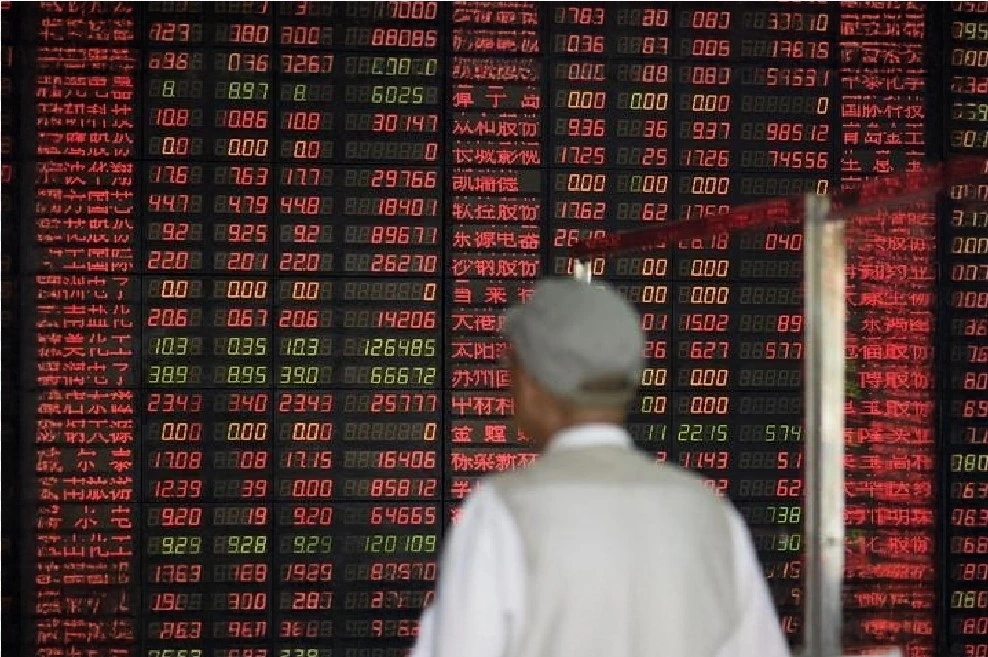
On October 27, in the midst of the Asian financial crisis, the Dow Jones Industrial Average fell 554 points, or 7,181. This event became known as the Mini-Crash of 1997, as the index's recovery was rapid. Let's look at the full story.

On October 25, 1923, the Reichsbank printed 120 trillion marks as German hyperinflation spiraled out of control. A month later, the exchange rate gap reached $1 to $4.2 trillion. Let's look at the full story and its dire consequences.

El 24 de octubre de 1907, en plena crisis, JP Morgan ofrece realizar un rescate bancario invirtiendo 25 millones de dólares(unos 700 millones actualizado por inflación). Veamos la historia completa.

On October 22, 1962, US President John F. Kennedy announced the blockade of Cuba, confirming rumors that the Soviets had installed missiles in the country. Let's look at the full story of the Cuban Missile Crisis and how this geopolitical event affected stock market indices.

September 14, 1830, would be a historic day as the final details were finalized for the grand opening of a railway linking Manchester and Liverpool, England, the following day. This great invention would become a boom and give rise to a new speculative bubble. Let's look at these events in detail.

On September 6, 2008, in the midst of the subprime crisis, the U.S. government came to the rescue of Fannie Mae and Freddie Mac, key companies in the mortgage sector.

On August 27, 1998, the Russian market collapsed completely: the main index fell by 171% on that day alone, adding to a catastrophic year-on-year decline of 841% on the same day. Find out what happened.