
April 22nd anniversary
On April 22, 2010, the Deepwater Horizon oil rig sank in the Gulf of Mexico, USA, causing an unprecedented environmental catastrophe. Discover this story and its disturbing consequences.
The sinking of the platform Deepwater Horizon April 22, 2010 is one of the most devastating environmental and corporate disasters in recent history, with serious consequences for the oil industry and the company. British Petroleum (BP)The explosion of this rig in the Gulf of Mexico not only claimed human lives and damaged the marine ecosystem, but also transformed BP's reputation and public perceptions of the safety and risks of offshore oil drilling.
The Deepwater Horizon Platform and BP
The Deepwater Horizon rig was a high-tech mobile drilling unit, operated by the company Transocean and leased by BP to drill deepwater exploration wells. This rig was located approximately 66 kilometers off the coast of Louisiana, drilling a well in the Macondo field, at a depth of more than 1,500 meters below sea level. With its deep drilling capability and advanced technology, the Deepwater Horizon symbolized the oil industry's achievements in terms of innovation and expansion into more challenging areas for oil extraction.

The Accident: What Happened on April 20, 2010
On April 20, 2010, the platform suffered a devastating explosion at 9:45 p.m. due to a failure in the well cementing. The explosion and subsequent fire caused the death of 11 workers and serious injuries to 17 others. The human tragedy was only the beginning of the disaster, as two days later, on April 22, the platform sank in the Gulf of Mexico, causing the spill of millions of barrels of oil.
The explosion was due to a series of technical and management errors. A failure in the safety system called BOP (Blowout Preventer), which was supposed to seal the well in case of excessive pressure, failed to work. Additionally, problems were discovered with the well's cementing, which the company performed. HalliburtonBoth BP, as the primary operator of the well, and Transocean, as the owner of the platform, were found to be responsible for the incident.
The Environmental Catastrophe
The sinking of the Deepwater Horizon released a massive amount of crude oil into the sea, making it the worst oil spill in U.S. history. It is estimated that during the 87 days that the spill lasted, between 3.19 and 4.9 million barrels of oil were dumped into the Gulf of Mexico. This caused unprecedented ecological devastation, affecting marine life, coastlines, and local economies that depended on fishing and tourism.
Impact on the ecosystem: Oil contaminated vast areas of the Gulf, killing millions of fish, seabirds, and other aquatic animals. Endangered species, such as sea turtles and dolphins, were particularly affected. The pollution is estimated to have affected 1,300 kilometers of coastline in the states of Louisiana, Mississippi, Alabama and Florida.
Consequences for coastal communitiesLocal areas that relied on fishing and tourism suffered economically. Fishing communities saw their ability to harvest shrimp, oysters, and other seafood reduced due to pollution. Furthermore, the Gulf of Mexico's image as a tourist destination was severely damaged, impacting the economies of numerous families and businesses in the region.

Repercussions for BP
The Deepwater Horizon spill was not only an environmental and human disaster, but also a devastating blow to BP's reputation and finances.
1. Financial Damages: BP incurred exorbitant costs to clean up the spill and deal with lawsuits. The company is estimated to have paid more than $65 billion dollars in fines, damages, and compensation. Expenses included cleanup costs, settlements for affected businesses and residents, and funds earmarked for environmental restoration.
2. Reputational DamageBefore the disaster, BP presented itself as one of the world's leading energy companies, with a brand that emphasized environmental responsibility under the slogan "Beyond Petroleum." The Deepwater Horizon disaster shattered this image, and BP was harshly criticized for its lack of safety and lapses in operating procedures. The company faced a public boycott, and its reputation suffered lasting damage.
3. Changes in Corporate GovernanceFollowing the incident, BP implemented significant changes to its safety and governance processes. Tony Hayward, BP's CEO at the time of the disaster, was replaced by Bob Dudley, who led the company's efforts to repair BP's reputation and strengthen its safety standards. Dudley oversaw a sweeping overhaul of BP's safety protocols and corporate culture to prevent similar incidents from occurring in the future.
The United States Government's Response
The Deepwater Horizon disaster prompted the United States to strengthen its regulation of the oil industry. The administration, led at the time by President Barack Obama, harshly criticized BP for its handling of the incident and its lack of preparedness to deal with a spill of this magnitude.
1. Creation of the Bureau of Safety and Environmental Enforcement (BSEE)The U.S. Department of the Interior created BSEE to oversee safety in offshore drilling operations. This agency is mandated to implement strict safety standards and monitor drilling in the Gulf of Mexico.
2. Gulf Resources Restoration ActIn 2012, a law was passed stipulating that 80% of the fines paid by BP be used for environmental and economic restoration of the Gulf of Mexico. This fund is intended to support restoration and development projects in the areas affected by the spill.
3. Moratorium on Offshore DrillingFollowing the disaster, the U.S. government imposed a temporary moratorium on deepwater drilling to reassess safety protocols and prevent future accidents. Although this measure was criticized by the oil industry, it was seen as necessary to ensure safety.

The movie Deepwater Horizon
The movie Deepwater Horizon (2016), directed by Peter Berg, dramatizes the events of the Deepwater Horizon oil rig disaster in the Gulf of Mexico. Starring Mark Wahlberg, Kurt Russell and John MalkovichThe film recreates the moments leading up to the explosion and the chaos that followed, highlighting the heroism of the workers who tried to control the situation and save lives. The production offers a detailed and gripping look at the events leading up to the blast, focusing on safety lapses, tensions between engineers, and questionable business decisions.
The film stands out for its visual effects and fast-paced approach, which convey the intensity and danger experienced at the scene. Deepwater Horizon Not only does it show the human impact of the disaster, but it also exposes the ethical implications and dilemmas that arise when business decisions affect safety. The film manages to balance action with a critical message about corporate responsibility and the human cost of catastrophes in the energy industry.
Through a moving narrative and compelling performances, Deepwater Horizon invites the public to reflect on the risks of natural resource exploitation and the importance of regulation in the oil industry. The film has been well received for its realism and its ability to impress upon the viewer the gravity of the mistakes that led to one of the most devastating environmental disasters in recent history.
Lessons for Industry and the Future
The Deepwater Horizon disaster marked a turning point in the oil industry, highlighting the risks and consequences of errors in deepwater operations.
- Importance of Safety and Preventive MaintenanceOne of the problems with Deepwater Horizon was the lack of rigorous safety controls and proper maintenance. Oil companies have learned that neglecting these aspects can lead to disasters that cost far more in economic and reputational terms than the cost of maintaining high safety standards.
- Corporate Responsibility and TransparencyThe disaster forced BP to assume unprecedented responsibility. The company had to confront shareholders, customers, and the public, who were demanding greater transparency and a commitment to safety and the environment.
- Innovation in Spill Containment TechnologyThe difficulty in containing the spill highlighted the need to develop better emergency response technologies. Since then, oil companies have invested in improving their spill response capabilities, developing technology that allows them to quickly contain a well in the event of an emergency.
Final Reflection
The Deepwater Horizon disaster is a reminder of the risks inherent in deepwater oil extraction and the enormous consequences that can arise when companies and governments fail to take adequate measures to manage those risks. For BP, the incident was a costly lesson that forced the company to rethink its approach to safety and environmental responsibility. For the industry as a whole, the disaster prompted reforms and improvements in safety standards, although the risks associated with resource exploitation in sensitive environments persist.
You might also be interested in:
Both you and your company can also invest in quality companies.
See more notes from our blog:
-

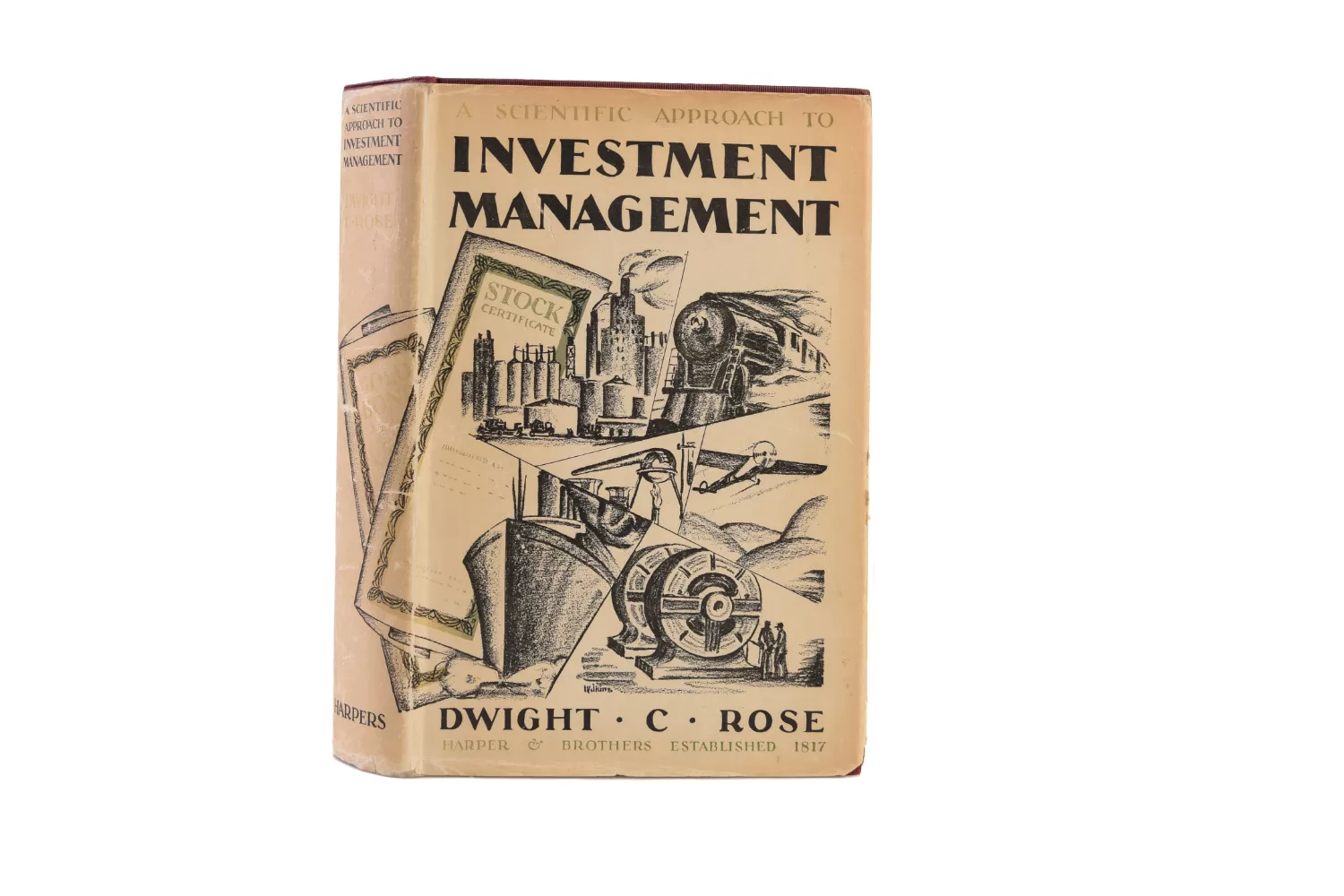
Investment Management: 98 Años Del Libro Pionero En Finanzas
On February 27, 1928, Dwight Rose published A Scientific Approach to Investment Management, a fundamental book in the world of finance. I discovered its practical advice.
-

Volkswagen: A 90 Años de su Terrorífico Surgimiento
On February 26, 1936, the result of an agreement between Ferdinand Porsche and the German government, the "people's car," Volkswagen, was born. Discover its dark history and how corporate responsibility is essential today.
-
Money Issue: Lessons from Lincoln and the Greenbacks in 1862
On February 25, 1862, U.S. President Lincoln signed a law authorizing the issuance of currency to finance the Civil War. Let's see what lessons we can learn from this currency issuance.


Blog Keyword Cloud:
Aeronautics saving Apple Financial Advisor banks Berkshire Hathaway Stock market bonds bubble Dot-com bubble byma commodities South Sea Company Financial advice Cryptocurrencies crisis subprime crisis free finance course economy Start investing pyramid scheme USA Facebook finance Personal finances IBM inflation England finance books investment books LTCM financial mentoring Argentine market stock market international market Meta Microsoft Nasdaq Oil Russia Steve Jobs Technology value investing Wall Street Warren Buffett
