
He February 25, 1862, during a time of tension and crisis in the United States, the president Abraham Lincoln signed the Legal Tender Act, which authorized the government to issue a new form of money known as greenbacksThis decision was taken in the context of the American Civil War, a conflict that required huge amounts of financial resources to maintain troops, acquire supplies, and support the war effort. The issuance of these banknotes marked a milestone in the monetary history of the United States and had long-term effects that today represent valuable lessons about the issuance of money and the economic impact this can have.

Background to the issuance of greenbacks
To understand the significance of the Greenbacks and their relationship to Lincoln, it is crucial to consider the historical context in which these events took place. In the early 1960s, 1860s, the United States was divided between North and South, which led to the Civil War, which began in 1861. From an economic standpoint, the country faced several challenges: there was a clear lack of financial infrastructure and strong fiscal policies that could sustain a conflict of such magnitude. The federal government relied primarily on import taxes and limited income, which made a prolonged conflict unsustainable.
The financial problem worsened when the The United States Treasury's coffers were almost emptyBanks and private financial institutions, which typically offered loans to the government, were reluctant to lend large sums of money due to the high uncertainty and the risk that the North would be unable to sustain the war. In this context, the need to find a rapid source of financing led Lincoln and his administration to a bold solution: the creation of a new form of money backed solely by the full faith and credit of the federal government, without backing in gold or silver.
The creation of greenbacks and their immediate impact
On February 25, 1862, Lincoln signed the Legal Tender Act, allowing the issuance of $150 million in legal tender, commonly called greenbacks because of their green color. Unlike other banknotes issued until then, greenbacks were not backed by precious metal reservesThis meant that, unlike convertible notes, which could be exchanged for gold or silver, greenbacks only had value because the federal government guaranteed their acceptance in payments and transactions.
The greenbacks turned out to be a measure controversialSome citizens and politicians greeted them with skepticism, arguing that issuing money without metallic backing was a way to devalue the currency and a strategy that could lead to inflation. However, the urgency of the war and the lack of viable alternatives prompted the acceptance of greenbacks. This measure gave the government the liquidity needed to finance the war effort, and in the short term, helped stabilize the economy by providing access to cash in a time of crisis.

Economic effects and lessons learned about money issuance
The issuance of greenbacks brought with it several economic lessons that are useful to investors and economists today. Below, we analyze some of the economic effects of this measure and the lessons investors can learn from issuing money in times of crisis.
- Inflationary impactOne of the immediate effects of the greenbacks was an increase in inflation. Since the greenbacks were not backed by gold, the increased money supply raised the prices of goods and services. Inflation became a major challenge, as it weakened citizens' purchasing power and generated uncertainty in pricesFor investors, this effect highlights the importance of monitoring the relationship between money supply and inflation In times of accelerated money supply. An uncontrolled increase in the money supply can erode the real value of investments, especially in fixed-income or cash assets, which tend to lose value in terms of purchasing power.
- Devaluation of the currency: Distrust in greenbacks for not being backed by a tangible asset also caused a drop in the value of the currency in international markets. During the Civil War, the value of greenbacks fluctuated frequently due to uncertainty about the outcome of the conflict and the federal government's backing. This fluctuation in value highlighted the devaluation risks associated with expansionary monetary policy. For investors, the devaluation of a currency can negatively impact assets denominated in that currency and particularly affects those who depend on international investments or those who wish to preserve the value of their savings in a strong and stable currency.
- Trust in government and credibility: The greenbacks depended on the public confidence in government to maintain its value. This was a lesson in how the credibility and political stability are critical to sustaining a fiat currency, especially in times of crisis. Citizens' trust in the Lincoln administration and the cause it championed was crucial to the acceptance of greenbacks. For today's investors, this lesson translates to the importance of evaluating the credibility and stability of the issuer of a currency or asset. In the current context, where money issuance is sometimes used as a monetary policy tool, it is vital to consider the stability of the government and the central bank responsible for issuing it to ensure that inflationary pressures or abrupt devaluations do not occur.
- Need for complementary policies: While the issuance of greenbacks made it possible to finance the war effort, there also arose a need to implement complementary policies to keep the economy under control. In particular, the Lincoln administration implemented certain price controls and sought to stimulate production to balance the impact of monetary expansion. This highlights the importance of a holistic approach to economic policy and of accompanying money printing with control and regulatory measures to avoid significant imbalances. For investors, this means that, in contexts where a government issues large amounts of money, it is key to evaluate what additional policies are being implemented to mitigate inflationary effects and maintain economic equilibrium.
- Adaptation of the financial system: The introduction of the greenbacks laid the groundwork for a more flexible monetary system in the United States. Although banknotes backed by precious metals would continue to circulate, the greenbacks demonstrated that the fiat money could work under certain circumstances and helped set a precedent that, years later, would facilitate the creation of the Federal Reserve in 1913. For investors, this evolution of the financial system highlights the importance of understanding structural changes in monetary policy and how these affect financial markets over the long term.

Key lessons for investors on money issuance
From the experience of greenbacks, investors can learn lessons about how the money issuance policy impacts markets and the economy in general. Below are some key lessons to apply to investment decisions:
- Inflation and purchasing power: Issuing money, especially without tangible backing, can increase inflation and reduce purchasing power. Investing in assets that protect against inflation, such as real estate, stocks in solid sectors, or precious metals, can be an effective strategy in contexts of accelerated money issuance.
- Devaluation risksMoney printing policies often lead to currency devaluation, affecting assets denominated in that currency. Maintaining a diversified portfolio with stablecoin assets can help mitigate the risk of currency loss in a devaluation scenario.
- Trust in issuersThe experience of the greenbacks shows that the credibility of the issuer is crucial to maintaining the value of a currency. In today's market, the confidence in the central bank and the government backing a currency remains a key factor in assessing the risk of investing in that currency or in instruments issued in it.
- Adaptability to structural changesThe issuance of greenbacks was a step toward a more flexible monetary system, which eventually led to the creation of modern institutions like the Federal Reserve. Be aware of changes in monetary policy and financial institutions It can allow investors to anticipate market movements and adapt their investment portfolios accordingly.
Ultimately, the issuance of greenbacks represented a risky gamble that, while effective in the context of the Civil War, carried with it lasting lessons about the balance between need for liquidity and the risk of devaluation and inflationFor investors, this experience underscores the importance of maintaining a broad perspective and considering the long-term effects of monetary policies in their financial decisions.
Both you and your company can also invest in quality companies.
See more notes from our blog:
-

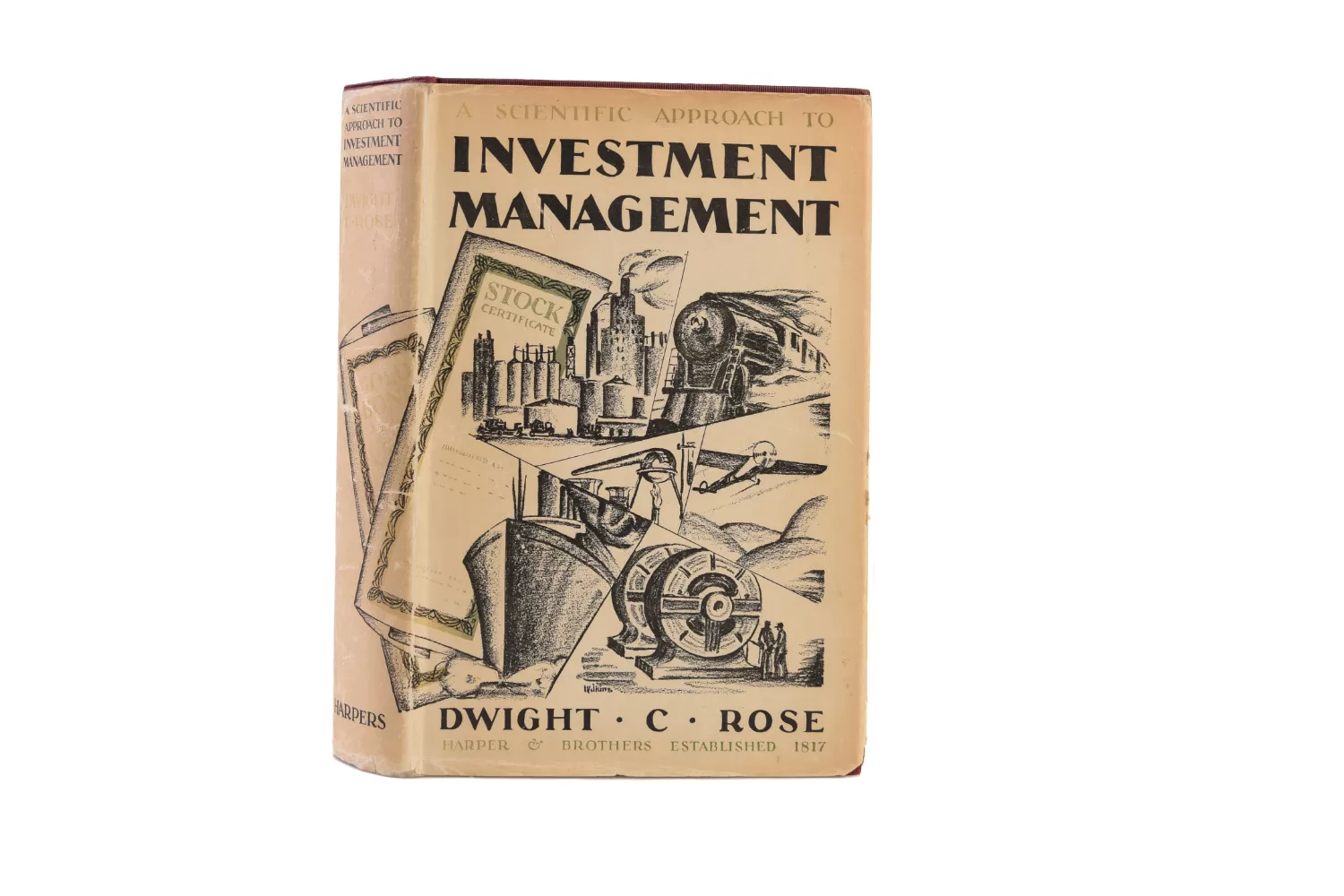
Investment Management: 98 Años Del Libro Pionero En Finanzas
On February 27, 1928, Dwight Rose published A Scientific Approach to Investment Management, a fundamental book in the world of finance. I discovered its practical advice.
-

Volkswagen: A 90 Años de su Terrorífico Surgimiento
On February 26, 1936, the result of an agreement between Ferdinand Porsche and the German government, the "people's car," Volkswagen, was born. Discover its dark history and how corporate responsibility is essential today.
-
Money Issue: Lessons from Lincoln and the Greenbacks in 1862
On February 25, 1862, U.S. President Lincoln signed a law authorizing the issuance of currency to finance the Civil War. Let's see what lessons we can learn from this currency issuance.


Aeronautics saving Apple Financial Advisor banks Berkshire Hathaway Stock market bonds bubble Dot-com bubble byma commodities South Sea Company Financial advice Cryptocurrencies crisis subprime crisis free finance course economy Start investing pyramid scheme USA Facebook finance Personal finances IBM inflation England finance books investment books LTCM financial mentoring Argentine market stock market international market Meta Microsoft Nasdaq Oil Russia Steve Jobs Technology value investing Wall Street Warren Buffett
