

Background to the Merger
Before we delve into the merger itself, it's important to understand the context in which it took place. Pfizer, founded in 1849 by Charles Pfizer and his cousin Charles Erhart, began as a company dedicated to the production of chemical medicines. Over the years, Pfizer became a leader in the pharmaceutical industry, known for its innovations and its ability to develop high-demand drugs, such as Viagra and the Lipitor.
On the other hand, Warner-Lambert, created in 1955 as a result of the merger of two smaller companies, also excelled in the development of pharmaceutical and consumer products. Its line of medicines included well-known products such as Listerine and CholestOff, in addition to various pharmaceutical treatments.
Competition in the pharmaceutical industry had begun to intensify in the late 1990s, driven by advances in biotechnology and the constant pressure to innovate and discover new treatments. Companies needed to expand their product portfolios and optimize their operations to remain competitive.

Merger Details
The merger between Pfizer and Warner-Lambert was valued at approximately $90.2 billion, making it one of the largest mergers in the history of the pharmaceutical industry up to that point. Pfizer acquired Warner-Lambert through a stock swap, where Warner-Lambert shareholders received 2.5 shares of Pfizer for each share they owned in their company.
The merger was approved by the boards of directors of both companies and received the approval of shareholders. The agreement was hailed as a strategic move that would allow Pfizer to expand its market presence and strengthen its product portfolio. In particular, the agreement gave Pfizer access to Lipitor, one of the world's best-selling cholesterol-lowering drugs, which at the time accounted for a large portion of Warner-Lambert's revenue.

Implications of the Merger
The merger had multiple implications for both the companies involved and the pharmaceutical industry in general:
- Increasing Research and Development CapacityThe merger of the two companies meant a significant expansion of the resources allocated to research and development. Pfizer was able to access Warner-Lambert's innovations, which enabled the development of new drugs and the improvement of existing ones.
- Market ConsolidationThis merger was a clear example of the consolidation trend that was taking place in the pharmaceutical industry in the early 2000s. By merging, Pfizer and Warner-Lambert positioned themselves to compete more effectively with other major pharmaceutical companies, such as Johnson & Johnson and Merck.
- Access to New MarketsWith the merger, Pfizer not only expanded its product portfolio but also gained a greater presence in international markets. This allowed it to explore new opportunities and expand its customer base in various regions of the world.
- Impact on EmployeesAs is common with mergers of large corporations, the integration of two companies of this magnitude brought with it challenges related to corporate culture and employment. Although synergies were expected, there were also layoffs and restructuring, which raised concerns among employees at both companies.
- Product InnovationsFollowing the merger, Pfizer continued to develop and market innovative products, leveraging Warner-Lambert's strengths. Access to Lipitor, for example, allowed Pfizer to become a leader in the treatment of cardiovascular disease.
Pfizer's Evolution After the Merger
The merger with Warner-Lambert marked the beginning of a new era for Pfizer. Throughout the 2000s, the company continued its path of innovation, launching multiple drugs that changed the lives of millions of people. Lipitor, in particular, became the best-selling drug in history, generating significant revenue that fueled the company's expansion.
However, it wasn't all plain sailing. Pfizer faced challenges as some of its drugs faced patent expiration, leading to a loss of revenue in certain areas. The company had to adapt to a competitive environment as other generic drug manufacturers entered the market.
In response to these challenges, Pfizer adopted an aggressive acquisition and merger strategy, which included the purchase of other pharmaceutical companies and the diversification of its portfolio. In 2003, it acquired Pharmacy, another major pharmaceutical company, which allowed it to further strengthen its market position.

Conclusion
The merger between Pfizer and Warner-Lambert in 2000 was a significant event that marked a milestone in the history of the pharmaceutical industry. It not only allowed Pfizer to consolidate its position as a leader in the sector, but also had a lasting impact on drug development and marketing globally.
As Pfizer continues to innovate and evolve, it's crucial to recognize how this merger was a pivotal step in its journey toward becoming one of the most influential companies in healthcare.
In short, the merger of Pfizer and Warner-Lambert not only changed the course of both companies, but also left an indelible mark on the pharmaceutical industry, demonstrating the importance of adaptation and innovation in an ever-changing market.
Both you and your company can also invest in quality companies.
See more notes from our blog:
-

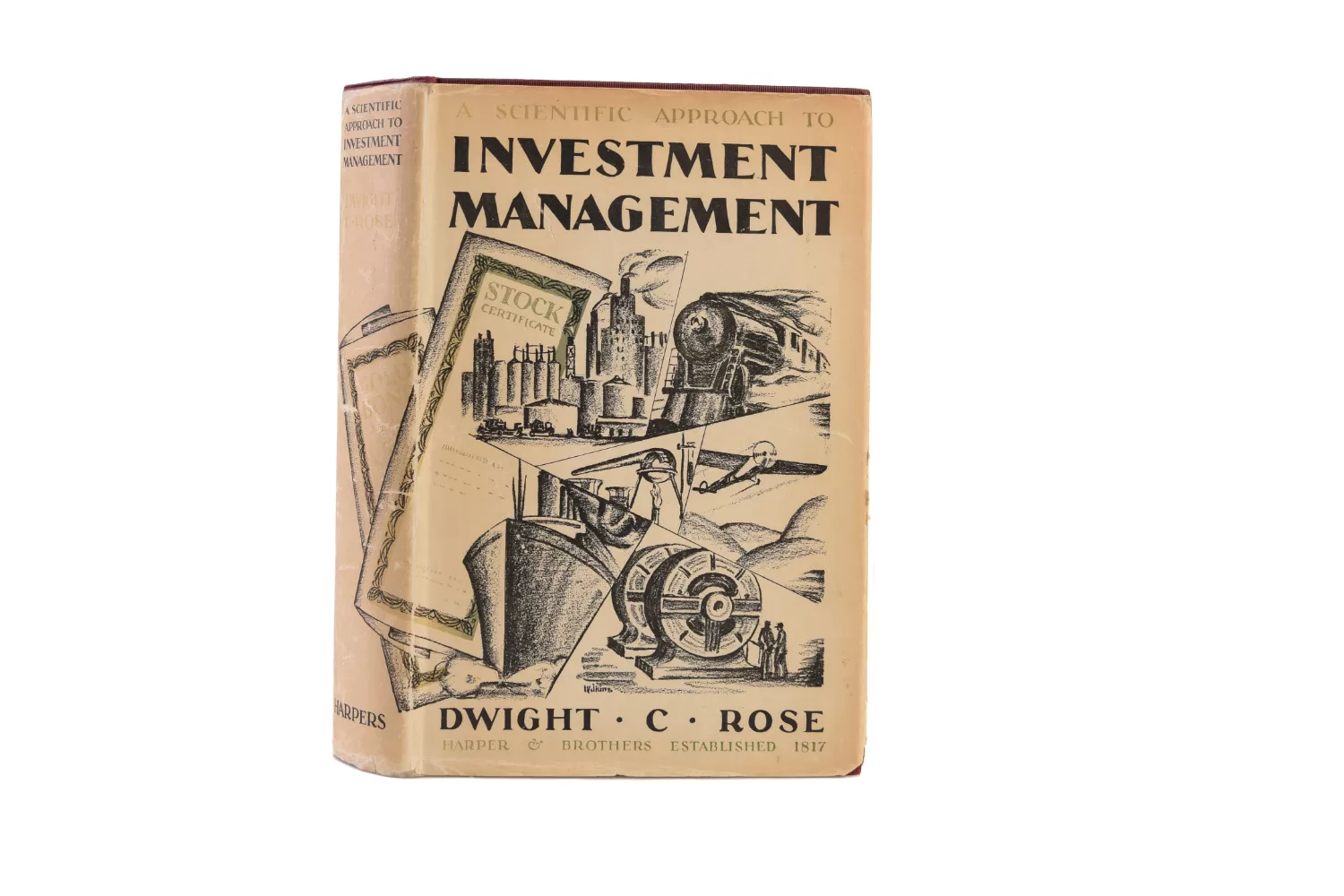
Investment Management: 98 Años Del Libro Pionero En Finanzas
On February 27, 1928, Dwight Rose published A Scientific Approach to Investment Management, a fundamental book in the world of finance. I discovered its practical advice.
-

Volkswagen: A 90 Años de su Terrorífico Surgimiento
On February 26, 1936, the result of an agreement between Ferdinand Porsche and the German government, the "people's car," Volkswagen, was born. Discover its dark history and how corporate responsibility is essential today.
-
Money Issue: Lessons from Lincoln and the Greenbacks in 1862
On February 25, 1862, U.S. President Lincoln signed a law authorizing the issuance of currency to finance the Civil War. Let's see what lessons we can learn from this currency issuance.


Aeronautics saving Apple Financial Advisor banks Berkshire Hathaway Stock market bonds bubble Dot-com bubble byma commodities South Sea Company Financial advice Cryptocurrencies crisis subprime crisis free finance course economy Start investing pyramid scheme USA Facebook finance Personal finances IBM inflation England finance books investment books LTCM financial mentoring Argentine market stock market international market Meta Microsoft Nasdaq Oil Russia Steve Jobs Technology value investing Wall Street Warren Buffett
