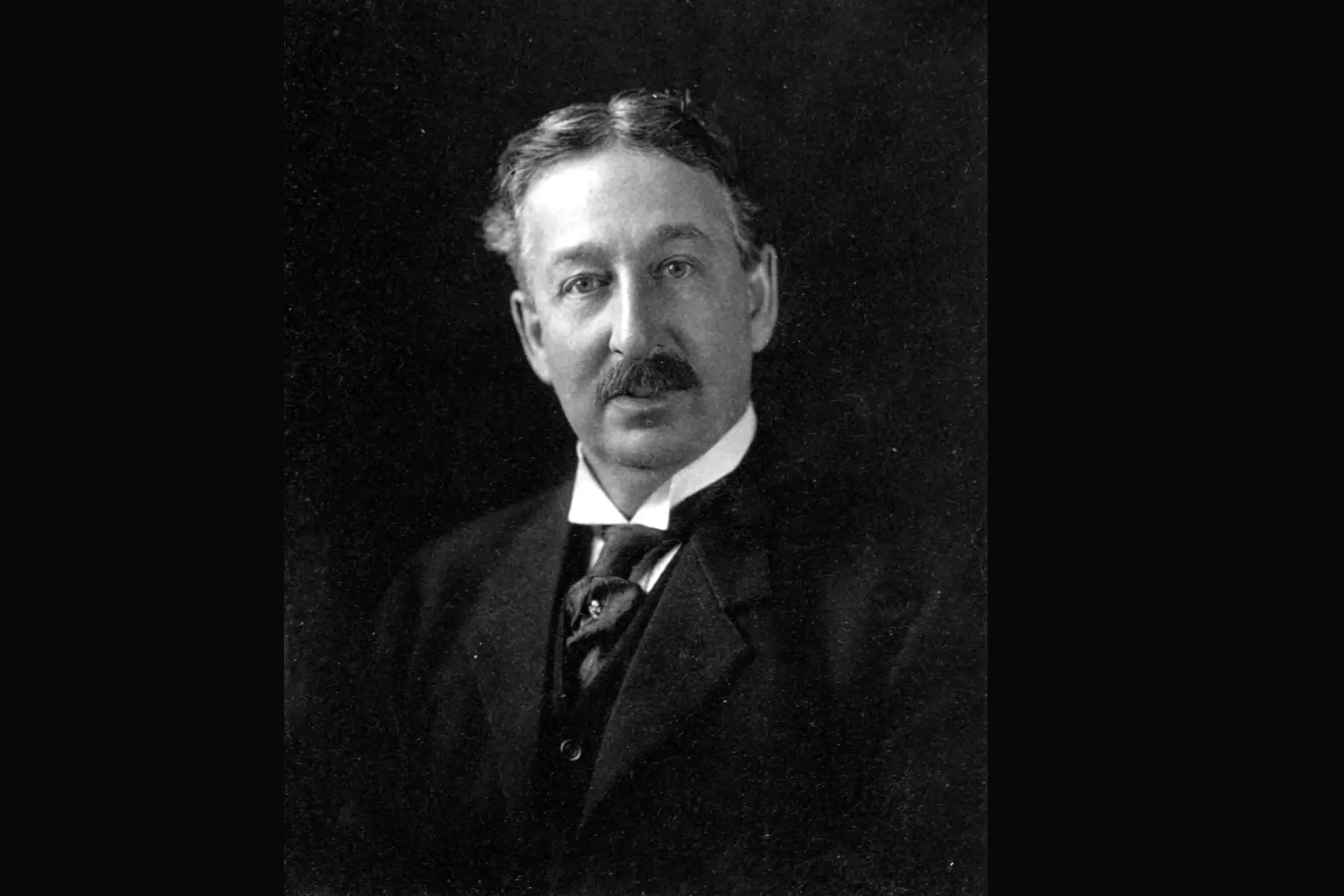
October 18, 1907, saw the fourth consecutive day of stock market crashes. This crisis became known as the "Panic of 1907" or the "Crisis of 1907." The newly listed Westinghouse fell from 103 to 79 in a single day, and its stock price had to be suspended. Let's look at the full story of this important, lesser-known crisis..
He Panic of 1907 It was one of the most severe financial crises that hit the United States in the early 20th century. Occurring between October and December of that year, this crisis caused a series of bank failures, a dramatic drop in the stock market and a widespread economic contraction. It has been forgotten over the years, and because a much worse crisis would follow two decades later (the Depression of 1929).
What caused the Panic of 1907?
The causes of the Panic of 1907 are multifactorial, but some of the key elements that contributed to this crisis include:
Financial speculation: A wave of speculation in the stock market, especially in the mining sector, created a bubble that eventually burst.
Lack of banking regulation: At the time, the US banking system lacked strong regulation, making it vulnerable to crises of confidence.
Concentration of financial power: A small group of financiers controlled a large part of the financial system, which amplified the impact of their decisions and actions.
Mass withdrawal of deposits: The loss of confidence in the banking system led depositors to withdraw their savings en masse, further weakening financial institutions.
Consequences of the Panic of 1907
The consequences of the Panic of 1907 were devastating for the American economy:
Bank failures: Many banks closed their doors, causing a credit crunch and making it difficult for businesses and consumers to access financing.
Production drop: The decline in economic activity led to a drop in industrial and agricultural production.
Increase in unemployment: The economic contraction led to a significant increase in unemployment.
Loss of confidence in the financial system: The crisis undermined investor and public confidence in the American financial system.
The legacy of the Panic of 1907
The Panic of 1907 served as a catalyst for a series of financial reforms in the United States. The crisis highlighted the need for a more robust and regulated banking system. As a result, the Federal Reserve System was established in 1913, which became the central bank of the United States and played a crucial role in stabilizing the financial system.
Lessons learned
The importance of regulation: The crisis demonstrated the need for strong banking regulation to prevent future financial crises.
The risks of speculation: Excessive speculation can generate financial bubbles that, when burst, cause serious damage to the economy.
The fragility of the financial system: Even the most developed financial systems can be vulnerable to crises of confidence.
The Panic of 1907 is a reminder that financial crises are a cyclical phenomenon and that learning from past mistakes is essential to building a more resilient and stable financial system.
The founding of the Federal Reserve and the economic boom following World War I marked the beginning of a period of economic expansion. The Roaring Twenties were characterized by an explosion of consumer spending, cheap credit, and technological innovation. The automobile, household appliances, and movies were symbols of this era, as was the growth of the stock market. Confidence in stock market investments led to a speculative bubble, fueled by leverage and a lack of regulation.
However, this unbridled growth concealed deep inequalities and an economy based on speculation. When the stock market crashed in October 1929, the financial losses triggered a massive banking crisis. The lack of insured deposits and the withdrawal of funds by the public led to the closure of thousands of banks.
The Depression of 1929 was the result not only of the market collapse, but also of the restrictive economic policies adopted by the Fed and of industrial overproduction that could not be absorbed by a population with stagnant incomes. In essence, the Panic of 1907 acted as a catalyst for the creation of institutions designed to stabilize the economy, but the lessons learned were not enough to prevent the excesses of the 1920s.
The Great Depression of 1929, in turn, demonstrated the limits of the economic policies of the time and led to even more profound reforms, such as the creation of the Federal Deposit Insurance Corporation (FDIC) and stricter regulation of financial markets. This cycle of crises and reforms shaped the modern economy as we know it.
Both you and your company can also invest in quality companies.
Getting the best financing for your business isn't easy. And you're also focused on improving your business, so financial matters can be difficult. Don't worry, we're here to help. With the Financial Optimization Program From El Inversor de Bolsillo®, we evaluate the company and give you specific suggestions to optimize the performance of your current balances and reduce your interest burden. We help you manage the registration in a Reciprocal Guarantee Society and get the best rates on the market. After the three free months have passed, a set number of monthly hours of financial consulting is provided.
In the Financial Mentoring With El Inversor de Bolsillo® you can learn while you invest, and we'll guide you according to your needs. Financial consulting for individuals includes one-on-one advisory sessions, online courses, stock market reports and everything you need to your investment is a success, so much investing in Argentina as in any other part of the world. There are different monthly plans of according to your circumstances and your budgetThe most important thing is that whichever plan you choose, you'll never be aloneWe will accompany you in your learning so that you can invest successfully.